

Education
Class activities
Here you can find lessons to teach middle-schoolers about past climate and the ways in which scientists study it. These lessons feature in-class activities, using PReSto resources to supplement hands-on activities.
Each activity has "instructor" resources, which details the activity preparation, and "student" sheets, which should be printed and distributed to students. Some activities must be prepared in advance, so read before diving in!
There are six lessons in all! Download them here:
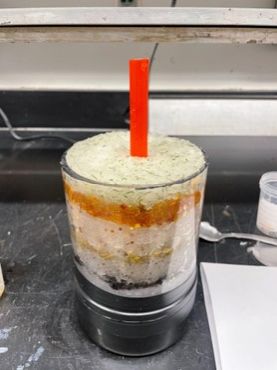
Lesson 1: Ancient Pollen: Unlocking the Secrets of the Past
Lakes are excellent collectors of pollen (and other wind-blown material), catching and preserving a record of the surrounding environment. By studying lake sediment cores, scientists can reconstruct past environments and understand how they have changed over time. In this activity, you will collect and analyze a simulated lake sediment core to learn about past plant communities and environmental conditions.
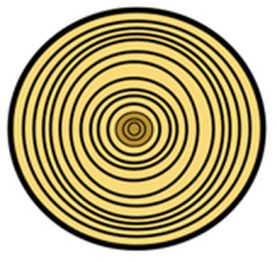
Lesson 2: Wisdom of the Tree Rings (Dendrochronology)
In this activity, you will study the tree rings of the Grand Canyon region like a dendrochronologist (tree ring scientist). By analyzing the rings in tree cookies and cores, you can discover the age of trees and learn about environmental conditions over many years. Trees are sacred beings in Navajo and Hopi cultures that provide valuable teachings if we observe them carefully.
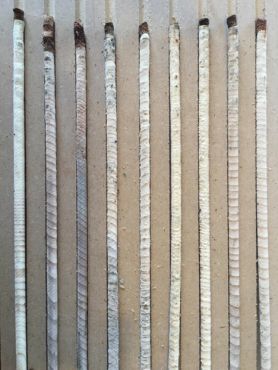
Lesson 3: Ancient Wise Ancestors: Linking Ancient Wisdom to Modern Wisdom of the Tree Rings
In this activity, you will study rings in tree cores like a dendrochronologist (tree ring scientist). By analyzing the rings in cores, you can discover the age of trees and learn about environmental conditions over many years. Trees are sacred beings in Navajo and Hopi cultures that provide valuable teachings if we observe them carefully.
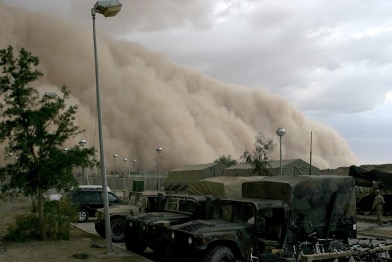
Lesson 4: Dust in a Box
In this activity, you will be able to use a physical model to represent how wind moves sediment (dust) and how dust can influence air quality.
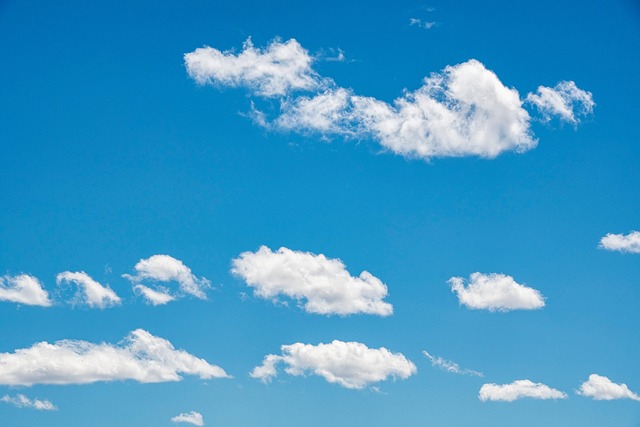
Lesson 5: Dust to Cloud
You will develop and use a model to demonstrate that atoms and molecules can be combined or rearranged in chemical reactions to form new compounds with the total number of each type of atom conserved. Substances are made from different types of atoms, which combine with one another in various ways. Atoms form molecules that range in size from two to thousands of atoms. Substances react chemically in characteristic ways. In a chemical process, the atoms that make up the original substances are regrouped into different molecules, and these new substances have different properties from those of the reactants. The total number of each type of atom is conserved, and thus the mass does not change.
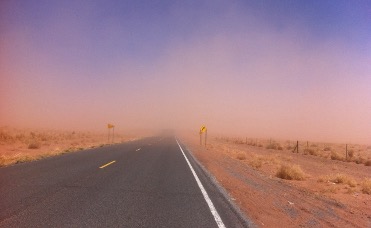
Lesson 6: Why do dust storms happen?
You will obtain, evaluate, and communicate information about data and historical patterns to predict natural hazards and other geological events.
Extras
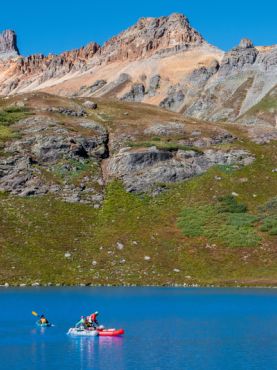
Scientific field work can take many forms. To read about a trip to gather sediment cores from lakes in Colorado, check out a photo journal of lake coring.
These lessons were created or adapted by Frank Telles at Northern Arizona University.